
-
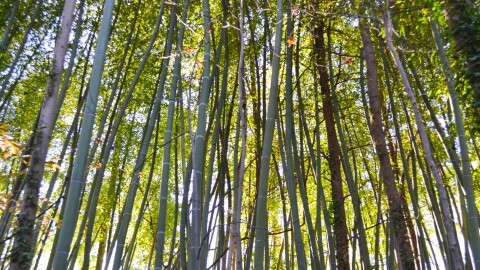 Amy Diaz/WFDDHigh Point resident Ahmed Salim noticed an oddly large amount of bamboo in his neighborhood. WFDD's Amy Diaz spoke with a local expert on invasive plants to find out why there's so much of it in the area.
 -
 Joe Raedle/Getty ImagesBrian Fennessy, new head of the U.S. Wildland Fire Service, says his agency is 'trying to bring on additional aircraft and bring them on early,' and dismisses criticism of prevention methods.


-
New Orleans may have crossed a “point of no return” as rising seas, sinking land and stronger storms converge.
-
 Across six locations in Indonesia, NPR spoke with locals about how nickel mining is changing the land and daily life. It's brought jobs, but also concerns about environmental damage and public health.
 -
 Pollinators have economic and health benefits, but those benefits have been difficult to quantify. A new study puts some numbers to how important pollinators are for both nutrition and income.
 -
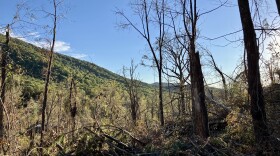 Beginning this summer, National Park Service workers will start removing flammable tree debris along the Blue Ridge Parkway that was left in the aftermath of Hurricane Helene. The project is slated for completion next spring.
 -
 After a community vote, two forested islands in the Yadkin River now have a name. More than 250 people weighed in, with a write-in choice coming out on top.
 -
 The North Carolina Forest Service lifted the open burn ban for 81 counties Sunday, but officials warn the region remains in extreme drought with wildfire season far from over.
 -
Fresh water sources have dried up, leaving close to half a million people in Texas’ gulf coast at risk of not having drinking water.
-
 Most land in North Carolina is privately owned, making conservation work more challenging for nonprofits and environmental advocates. A new agreement is designed to help conserve a unique stretch of privately owned land: the state’s electric highway system.
 -
 The Stillaguamish Tribe in Washington state has been buying land in its traditional territory and removing levees. The goal is to turn farmland into wetlands with the hopes of restoring Chinook salmon.
 -
 An estimated 3 to 4 million feral hogs live in Texas, causing hundreds of millions of dollars in damage to crops and moving more frequently into growing suburban areas.


