
-
 Amy Diaz/WFDDCommissioners approved an extra $1.3 million for the school district this year to support the exceptional children department. District officials plan to use it to add positions, but they're struggling to fill dozens of vacancies as it is.
 -
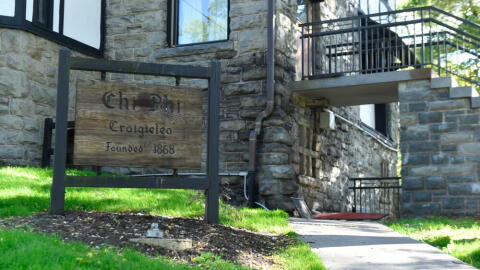 Adrian Kraus/APCornell University suspended all fraternity parties through the end of the school year in the aftermath of a sexual assault case that has sent shockwaves through campus.


-
What do influencing, AI and health sciences have in common? They're all degree programs colleges have launched in the last few years to attract students looking for a new career path.
-
 In a letter, Cornell's president apologized for what happened to the student who alleges she was raped by several men at a fraternity house in 2024 and promised 'meaningful action.'
 -
What do influencing, AI and health sciences have in common? They’re all degree programs that colleges have launched in the last few years.
-
 Thousands of school districts across the country have signed onto lawsuits against companies including Meta, Snap and ByteDance.
 -
 The Simon Green Atkins House was built in 1893 in Columbia Heights, an early Black middle-class neighborhood in Winston-Salem.
 -
While incarcerated, their prison job is to translate textbooks for blind students. Many of them continue with that work as a career after they get out.
-
 Middle schooler Cora Walsh of Long Island, N.Y., has won the 2026 NPR Student Podcast Challenge with a story about her journey with dyslexia.
 -
 Why one teen can't let go of the time he ate fries with his great-grandpa.
 -
The Trump administration is funneling $100 million into educating STEM researchers who are U.S. citizens. The move comes after other changes under Trump have forced cutbacks in university research.
-
What do influencing, AI and health sciences have in common? They're all degree programs colleges have launched in the last few years to attract students looking for a new career path. The Indicator explores how colleges are rethinking degree programs for a changing job market.


