
-
 NextEra Energy Resources, LLC, courtesy of WFUWFU has fufilled a commitment to 100% renewable electricity through a Renewable Power Purchase Agreement.


-
Some people may think that plants that grow in lakes are weeds that should be removed, but ecologists say native aquatic plants keep lakes healthy. They also prevent invasive species from taking over.
-
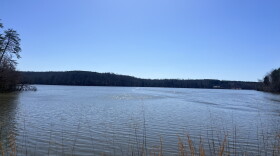 Drought conditions have improved slightly in parts of Guilford and Rockingham counties following Hurricane Isaias. But much of North Carolina remains in severe or extreme drought.
 -
A Kansas City group set up to help volunteers plant fruit trees in vacant city lots has quickly branched out across the country with almost 850 orchards in 17 cities with more to come.
-
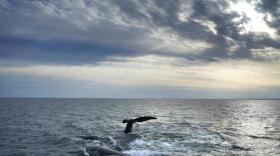 The rusty patched bumblebee, the North Atlantic right whale and the California sea otter are just some species at risk with these changes.
 -
 Both cities have implemented voluntary water conservation measures due to ongoing drought conditions and depleted water levels.
 -
 Piedmont Environmental Alliance, Yadkin Riverkeeper, No Data Center Rural Hall and the Carolina Federation are demanding state lawmakers pass a two-year moratorium on hyperscale data centers.
 -
 Locals and preservationists have long opposed Trump's plan to redevelop a municipal D.C. golf course. That legal fight escalated after the government cleared hundreds of trees on short notice.
 -
Federal judge ‘furious’ after Trump administration cuts down hundreds of trees at a D.C. golf courseA federal judge has halted the removal of any more trees at the East Potomac Golf Links.


