
-
 Town of Ocean Isle BeachThe N.C. Coastal Resources Commission's Science Panel draft report was released as the state Senate is considering rolling back the long-standing ban on structures like seawalls and groins along the coast. The scientists warned policymakers to be cautious about changes.
 -
 Courtesy North Carolina Department of Environmental QualityWilkes and Watauga counties are now in exceptional drought, the most severe category in North Carolina.


-
 Those long, dry periods are taking a toll on N.C. soil health.
 -
 Most of the money is for debris removal and road repair.
 -
 Insurance is staying relatively flat, but that’s not the whole story.
 -
 Last week, the EPA rolled back a key climate finding that gave the federal agency the authority to regulate greenhouse gas emissions. Wednesday morning, environmental groups took the EPA and its administrator, Lee Zeldin, to court.
 -
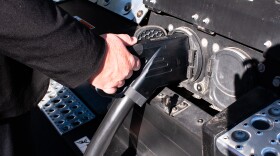 The U.S. Department of Transportation froze funds for the National Electric Vehicle Infrastructure. A federal court deemed that action “capricious and unnecessary” after the program had already restarted.
 -
 Extremely low temperatures are driving up energy use across the Carolinas, straining the electrical grid. There are currently more than 5,000 outages, with many concentrated in areas previously impacted by Hurricane Helene.
 -
 As temperatures creep upward, people are making big life choices that factor in our warming climate. But few decide to paddle nearly 2,000 miles to the Gulf Coast because climate change interferes with their livelihoods.
 -
 A beloved tourist attraction in western North Carolina's Blue Ridge Mountains will be demolished starting later this month. The Lake Lure Flowering Bridge sustained severe damage from Hurricane Helene last year.
 -
 Residents can provide feedback in a new survey about the county's responses to disasters like floods.
 -
 Civil rights activist Rev. Benjamin F. Chavis, Jr. coined the term “environmental racism” while participating in a historic North Carolina protest that birthed a movement.


