-
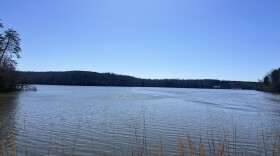 Drought conditions have improved slightly in parts of Guilford and Rockingham counties following Hurricane Isaias. But much of North Carolina remains in severe or extreme drought.
-
 Both cities have implemented voluntary water conservation measures due to ongoing drought conditions and depleted water levels.
-
 Much of the Piedmont and High Country has shifted from extreme to moderate drought conditions. A few sustained periods of rain in July helped.
-
 Up to $2 million in assistance will be available to small businesses, nonprofits and agricultural entities affected by the drought.
-
 As North Carolina endures its worst drought in 18 years, Forsyth Utilities says following voluntary conservation now can help prevent required restrictions later.
-
 WFDD's David Ford wondered how the drought conditions plaguing central North Carolina are impacting outdoor adventure companies that rely on the area's rivers for business. He found the answer for this edition of Carolina Curious.
-
As drought conditions continue across North Carolina, Boone officials have announced new water restrictions starting July 1.
-
 Portions of Guilford and Alamance counties are now experiencing exceptional drought, the most severe category recognized by the U.S. Drought Monitor.
-
 Wilkes and Watauga counties are now in exceptional drought, the most severe category in North Carolina.
-
 La Niña climate pattern has brought extreme drought conditions to 67 of North Carolina's 100 counties. National Weather Service meteorologist Andrew Kren says there's a chance for a wetter end to the month of May.

Public Radio for the Piedmont and High Country
Play Live Radio
Next Up:
0:00
0:00
Available On Air Stations


