
-
An antibiotic morning-after pill has been shown to be effective for preventing STIs among gay men, but some doctors worry about antibiotic resistance. This story discusses STIs and their symptoms.
-
 Ryan Benk/NPR NewsListeners of NPR's Weekend Edition Sunday may already know that host Ayesha Rascoe loves horror. But why do scream queens (and kings) like her like what's frightening? The answer may surprise you.


-
 A study from Common Sense Media says most safeguards in ChatGPT for Teens failed. The chatbot talks to teens like a friend and doesn't alert parents when users talk about self-harm and suicide.
 -
 Middle schooler Cora Walsh of Long Island, N.Y., has won the 2026 NPR Student Podcast Challenge with a story about her journey with dyslexia.
 -
 Why one teen can't let go of the time he ate fries with his great-grandpa.
 -
Heath Secretary Robert F. Kennedy Jr. announces new steps aimed at identifying and treating complications from vaccines.
-
Health Secretary Robert F. Kennedy Jr. has established a new clinic at the National Institutes of Health to study vaccine injuries. It's part of a larger administration effort on vaccine safety.
-
 NPR's Michel Martin hosted a panel conversation about mental health and suicide in the Black community, exploring a difficult subject in deeply personal conversations.
 -
 Two years after Hurricane Helene, rivers in western North Carolina are still littered with debris. But in the iconic French Broad River, known for its whitewater rapids, one item stands out: PVC pipes.
 -
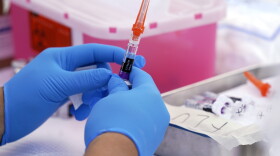 Health officials are urging residents to get vaccinated as respiratory virus season gets underway.
 -
The trillion-dollar longevity industry has attracted nonprofit hospitals, raising questions about lending scientific authority to controversial practices.
-
Studies have shown that daily shaving can cause pseudofolliculitis barbae, or PFB, and can affect up to 80% of Black men.


