
Reyna Drake
-
 Measles can cause high fever, cough and a red, blotchy rash that occurs three to five days after symptoms begin.
-
 Blue Ridge Conservancy and the North Carolina Wildlife Resources Commission recently acquired more than 600 acres at the headwaters of the Yadkin River to protect a native species of trout.
-
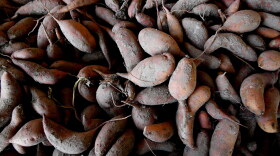 North Carolina produces more than 65% of the nation’s sweet potatoes. Despite long-term drought conditions which made for a rocky start to the growing season, officials say the harvest has been successful.
-
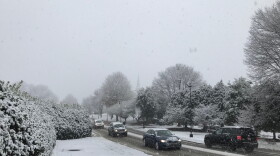 A cold front is bringing some of the coldest air so far this season across the state.
-
 A recent poll from Elon University found a large number of North Carolinians could favor impeachments in the White House. Survey respondents also shared who they'd want to see run for president in 2028.
-
 This year’s midterm elections led to what many are calling a historic “blue wave.” Democrats managed to flip a number of Republican-held seats in Washington.For this edition of Ask an Expert, WFDD's Morning Host Robin Lambert spoke with Jason Husser, professor of political science and public policy and director of the Elon poll at Elon University.
-
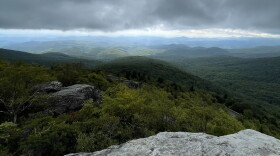 There’s a High Country tradition that starts in August. Supposedly, it helps predict how many snowfalls the area will get during the winter. It’s called “Beans in a Jar.” For this week’s Carolina Curious, WFDD’s Reyna Drake discovers what’s behind the longstanding Appalachian ritual.
-
 Millions of North Carolinians cast their ballots, either in person, early or by absentee, in this year’s midterm elections. WFDD’s Morning Edition Host, Robin Lambert, spoke with Martin Kifer the morning after the election about the historic voter turnout. He’s a professor of political science and director of the Survey Research Center at High Point University.
-
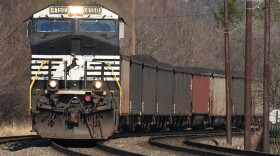 The North Carolina Department of Transportation is receiving more than $35 million in federal funding for a future Western North Carolina rail service.
-
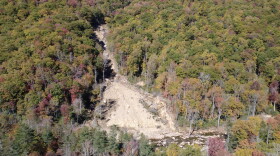 Environmental officials are dropping more than 20,000 pounds of native seeds across the Pisgah National Forest as part of ongoing Hurricane Helene recovery.


