
-
 Madeleine Charis King/Iowa Public RadioThe U.S. gets nearly a third of its pork from Iowa. One family is making the switch from pigs to more sustainable specialty mushrooms and trying to show other pig farmers how they did it.
 -
NPR's Elissa Nadworny speaks with Kristin Duncanson, a farmer in Minnesota, about how record high fuel prices are affecting her business.


-
 Oil supplies are falling, sulfur prices are threatening food costs, and we measure Lego against Hollywood
 -
The stock market is at record highs, largely thanks to tech stocks that are benefitting from investor optimism about the AI boom. But bond markets may be telling a different story.
-
 A new poll from Elon University shows North Carolinians support three constitutional amendments up for a vote in November, with approval for each above 60%.
 -
What signs did the Federal Reserve see that pushed it to raise interest rates for the first time in three years? And what could the decision mean for Chair Kevin Warsh and President Trump, who wanted the opposite?
-
The Federal Reserve raised interest rates for the first time in more than three years Wednesday.
-
NPR's A Martinez speaks with economist Claudia Sahm about why the Federal Reserve chose to raise interest rates after months of keeping them steady.
-
The Federal Reserve's decision to raise interest rates has broader political and economic implications, with affordability top of mind for voters ahead of the midterms.
-
The Federal Reserve raised interest rates today Wednesday the first time in more than three years. The central bank is trying to curb stubborn inflation, which was rekindled by the war with Iran.
-
A report from the Congressional Budget Office says the war has cost taxpayers more than $38 billion.
-
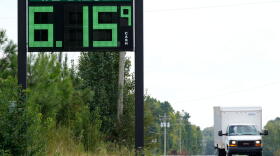 Tik Root, a senior staff writer at Grist, reports that since February and the start of the war on Iran, soaring diesel prices have cost U.S. consumers an additional $46 billion, or about $350 per household.


