
-
Bond yields rose this week pushing mortgage rates above 7 percent. That's another big challenge for the already limping US housing market.
-
 Pokémon/Nintendo/Creatures/GAME FREAK./Image via TCGplayer.com.How does one price a cemetery plot? Are they using dynamic pricing to figure it out? We tackle that question and many more in this week's Indicator newsletter.


-
Concerns over inflation, the deficit, and the Iran war have driven the bond selloff, along with a global shift from savings to investment.
-
As the fall harvest gets underway, many farmers are in the red. While crop prices have improved somewhat since last year, operating costs have increased, led by record high diesel prices.
-
 Housing affordability challenges are spreading to higher income brackets, according to new research, which found one in five renters struggled last year to pay for their housing in full and on time.
 -
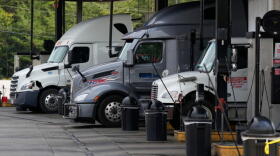 The cost of diesel has risen over 70% since the U.S. and Israel launched a war on Iran in February.
 -
The cost of transporting goods is also going up, and consumers will feel it.
-
 The U.S. gets nearly a third of its pork from Iowa. One family is making the switch from pigs to more sustainable specialty mushrooms and trying to show other pig farmers how they did it.
 -
 John Boyd Jr., president of the National Black Farmers Association, says soaring diesel costs are deepening a farm crisis as farmers face sharply higher fuel costs in the middle of harvest season.
 -
NPR's Elissa Nadworny speaks with Kristin Duncanson, a farmer in Minnesota, about how record high fuel prices are affecting her business.
-
Analysts are warning about an impending jump in gas prices. NPR's Scott Simon talks with Bob McNally, of Rapidan Energy about how and even if the economic effects can be mitigated.
-
 The Federal Reserve just raised interest rates this week for the first time this year. So how does it actually work? And what does it mean for the economy — and the rest of us? Here are some answers.


