
-
Analysts are warning about an impending jump in gas prices. NPR's Scott Simon talks with Bob McNally, of Rapidan Energy about how and even if the economic effects can be mitigated.
-
 LM Otero/APThe Federal Reserve just raised interest rates this week for the first time this year. So how does it actually work? And what does it mean for the economy — and the rest of us? Here are some answers.


-
 A new poll from Elon University shows North Carolinians support three constitutional amendments up for a vote in November, with approval for each above 60%.
 -
What signs did the Federal Reserve see that pushed it to raise interest rates for the first time in three years? And what could the decision mean for Chair Kevin Warsh and President Trump, who wanted the opposite?
-
The Federal Reserve raised interest rates for the first time in more than three years Wednesday.
-
NPR's A Martinez speaks with economist Claudia Sahm about why the Federal Reserve chose to raise interest rates after months of keeping them steady.
-
The Federal Reserve's decision to raise interest rates has broader political and economic implications, with affordability top of mind for voters ahead of the midterms.
-
The Federal Reserve raised interest rates today Wednesday the first time in more than three years. The central bank is trying to curb stubborn inflation, which was rekindled by the war with Iran.
-
A report from the Congressional Budget Office says the war has cost taxpayers more than $38 billion.
-
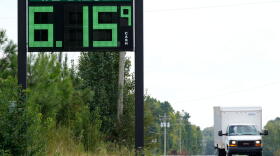 Tik Root, a senior staff writer at Grist, reports that since February and the start of the war on Iran, soaring diesel prices have cost U.S. consumers an additional $46 billion, or about $350 per household.
 -
Prices have continued to rise across the economy, and the war in Iran is raising inflation. Investors expect interest rates to be hiked by a quarter point.
-
 Inflation, gasoline prices and the cost of living are top of mind in the election season. How are higher costs shaping the way you live? NPR wants to hear.


