
-
 Sandy Guatibonza/La Esquina TX via APFrom inflation, to credit card debt, to who's actually doing the spending: These are key takeaways from this week in economic news.
 -
Money that investors borrow to trade in the stock market is called margin debt. This debt is now above $1.5 trillion, 50% higher than a year ago. Could this spell trouble for the U.S. economy?

-
The cost of pet care is rising. Petflation is affecting more than the cost of food and care; it's also making it costlier to transport pets between shelters, the key to getting many animals adopted.
-
 Consumer prices in July were up 3.4% from a year ago — a smaller annual increase than in May or June. The news makes it less likely the Fed will feel the need to raise interest rates in September.
 -
 Shoppers' changing habits are fueling a major shift in what types of businesses are occupying storefronts.
 -
If President Trump's threatened 50% tariffs go through later this month, construction businesses that rely on materials imported from Canada are among those that will suffer.
-
The housing market is stuck in a slump. Sales of existing homes fell by 1.7% last month, even as the average selling price rose. High prices along with rising mortgage rates are putting a squeeze on affordability.
-
Most Americans say young adults today have it harder financially than in the past.
-
AI is disrupting some jobs, but in China, the courts often support workers' rights.
-
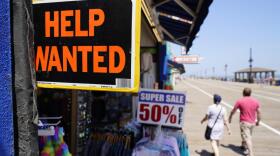 The summer job is a rite of passage for many teenagers. It can also serve as seed money for their future.
 -
The Labor Department releases a new report on inflation this week. It's higher than many would like, and with a sluggish job market, most people's paychecks aren't keeping pace with rising prices.
-
Following a weak jobs report and looking ahead to Wednesday's inflation data, NPR's A Martinez speaks to Diane Swonk, chief economist at the accounting firm KPMG U.S., about the state of the economy.


