

"A Man-Made Disaster" is a three-episode podcast from Blue Ridge Public Radio and FRONTLINE (PBS) that focuses on Hurricane Helene recovery in Western North Carolina.
Produced after more than a year of reporting, the project reveals how multiple changes and cuts to FEMA under the Trump administration have left disaster-stricken communities waiting longer — or excluded altogether — from help that's been promised.
You can listen to each episode or download "A Man-Made Disaster" here.
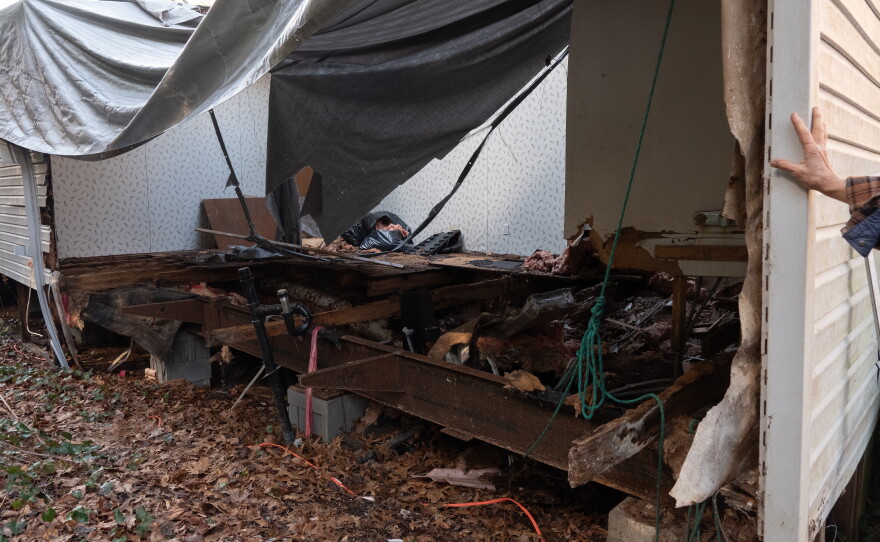
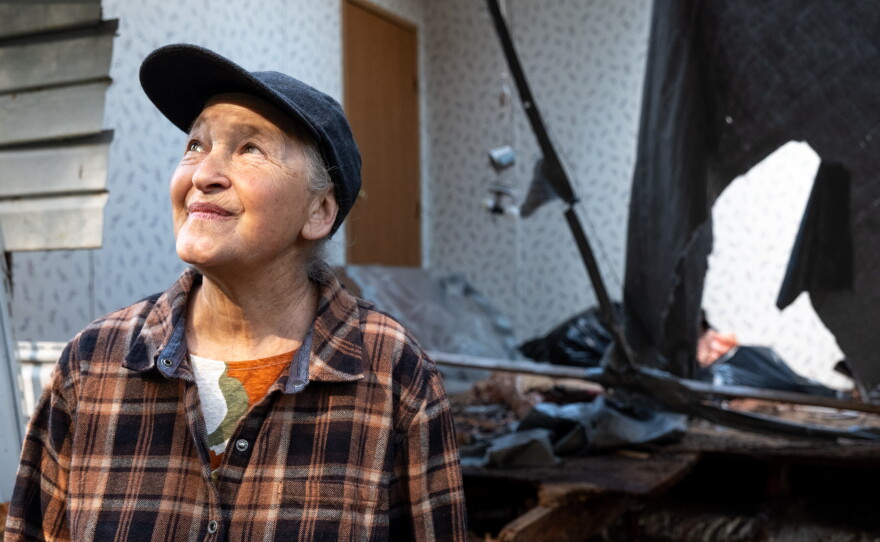
We spent a year reporting across the Western North Carolina counties most affected by Hurricane Helene. The September 2024 storm killed at least 107 people across the state, caused historic flooding and devastating landslides, and left nearly $60 billion in damage.
Our reporting included reviewing hundreds of government records and conducting dozens of interviews at the local, state, and federal levels.
A new investigation from BPR with support from FRONTLINE’s (PBS) Local Journalism Initiative reveals the policy decisions that have delayed — and in some cases denied — help to thousands of North Carolinians struggling to rebuild after Helene.
We found that despite President Donald Trump’s pledge to do away with bureaucracy and red tape, his administration has instead added to the plethora of paperwork and requirements needed to get federal disaster aid. Changes in federal policy have delayed aid or ultimately reduced how many North Carolinians can get help.
“ When you get hit by something like this … what you thought your world was is now completely gone.”Steve Hayo, WNC homeowner
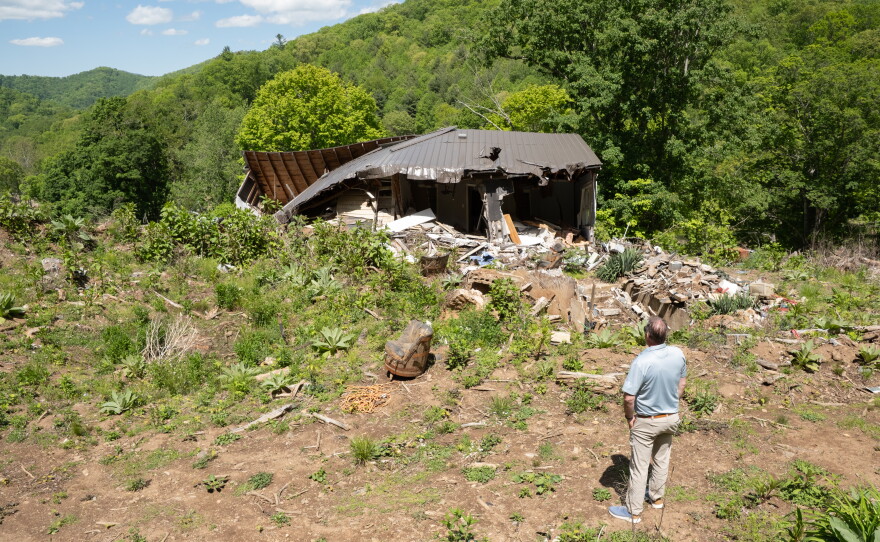
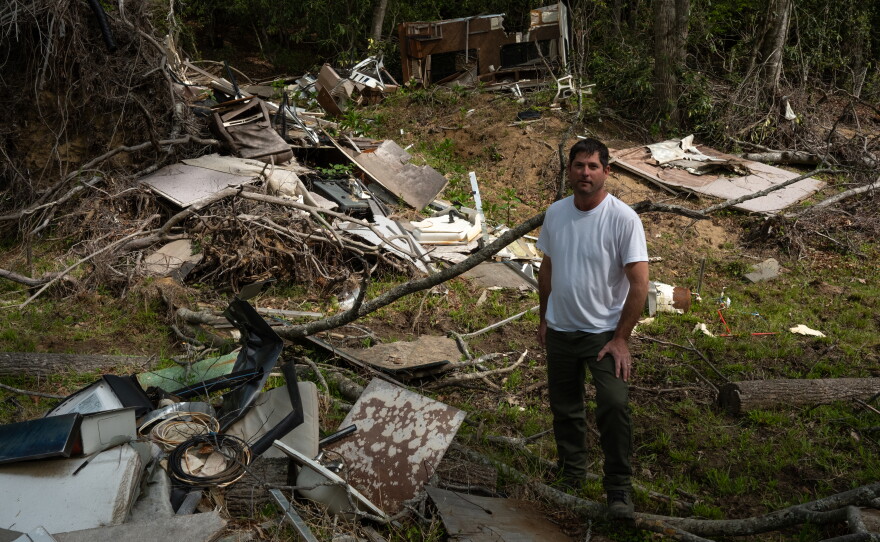
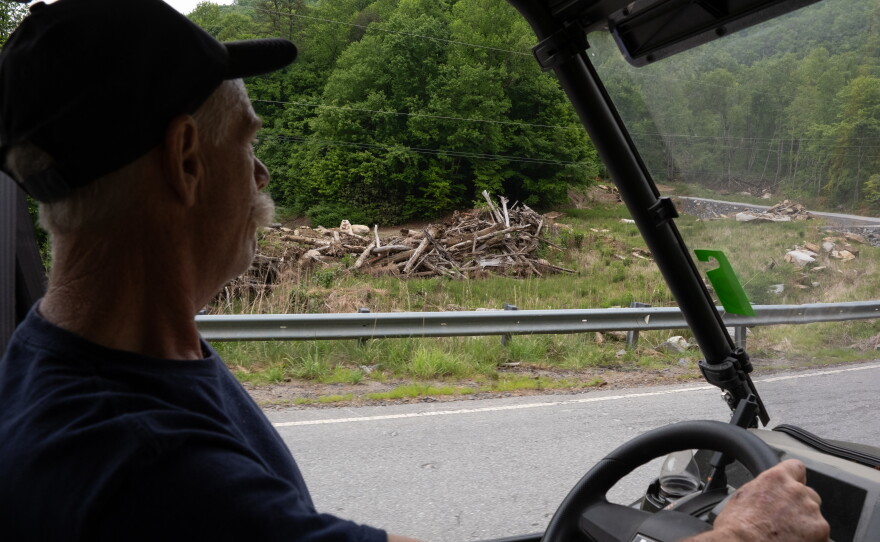
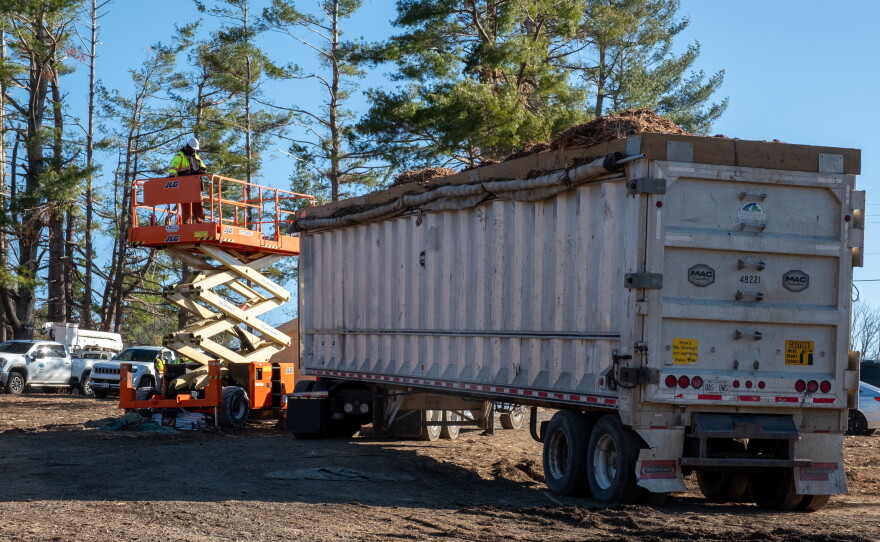
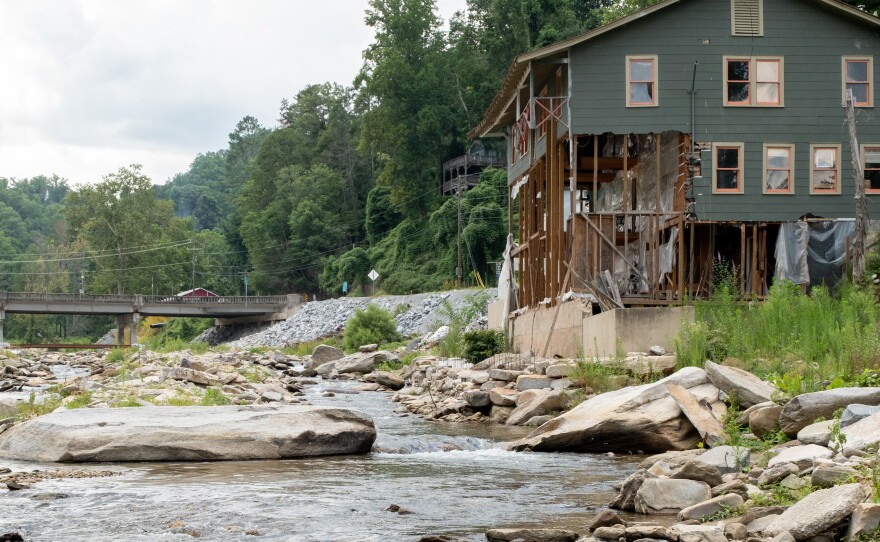

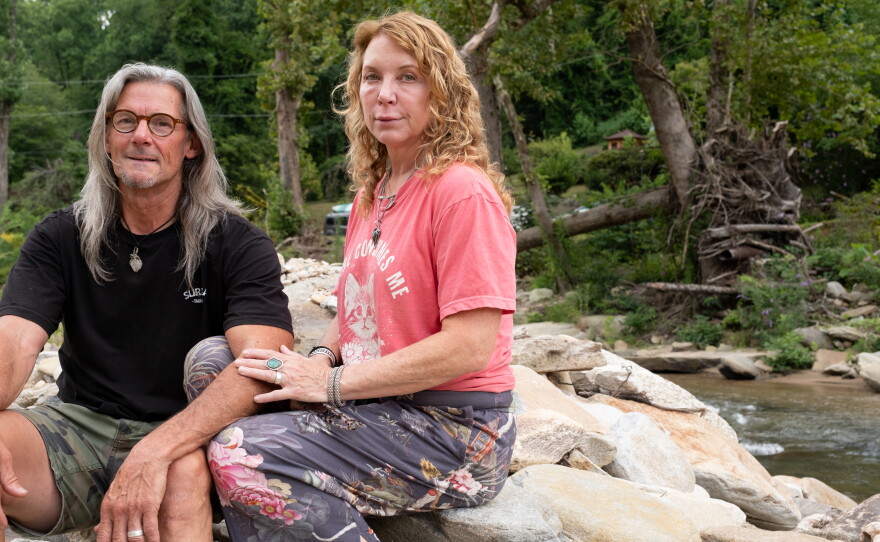
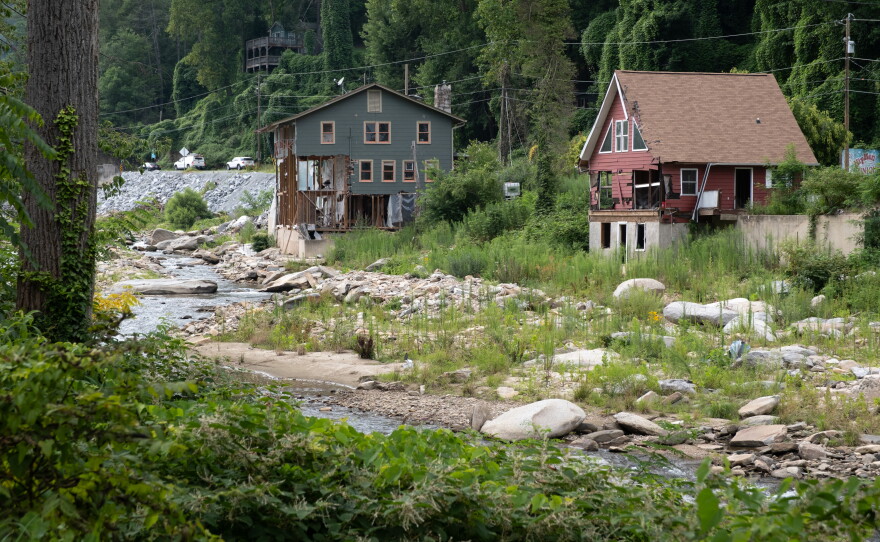
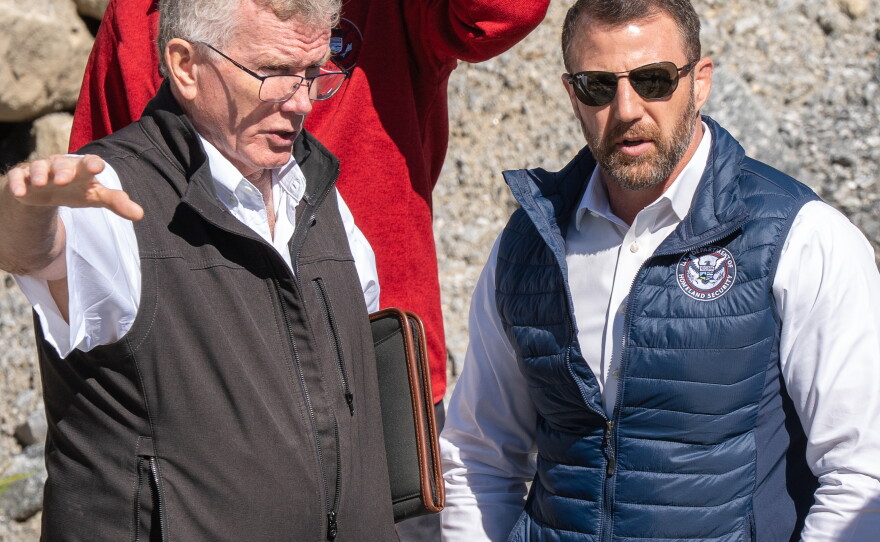
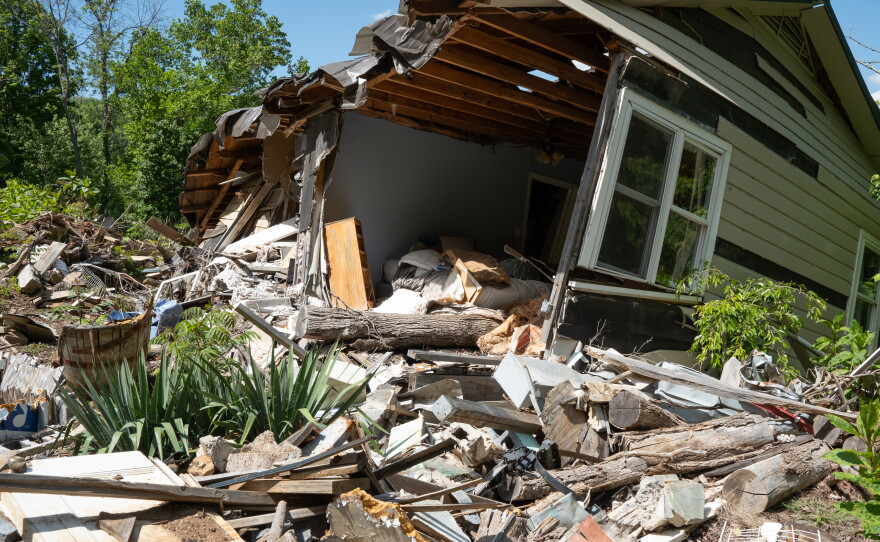
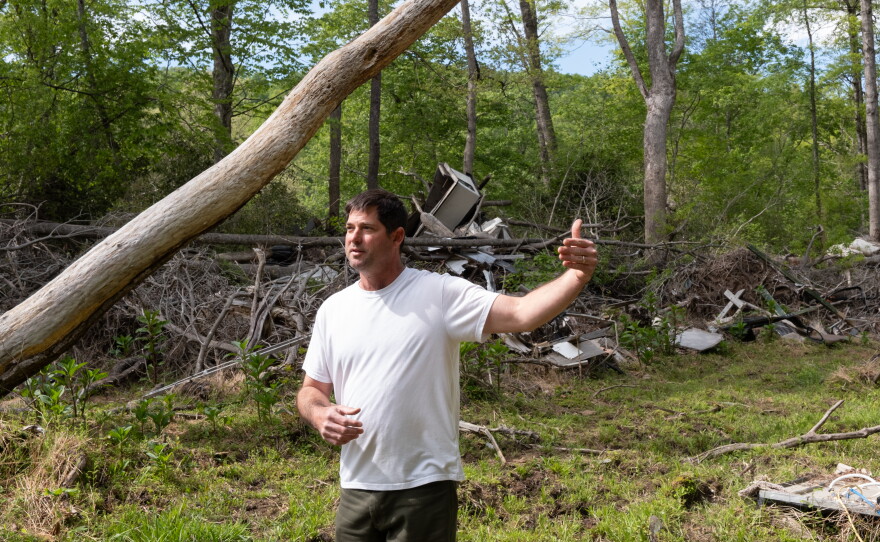
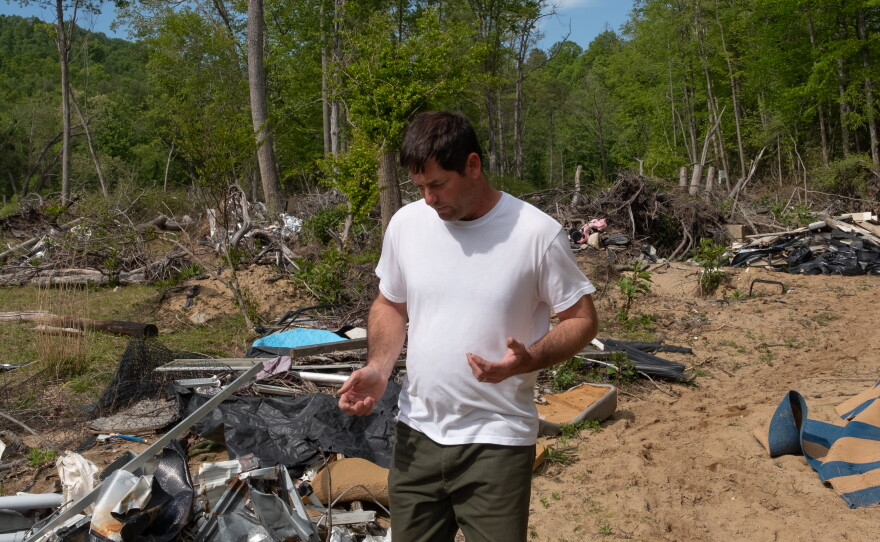
Key revelations in “A Man-Made Disaster” center on the Trump Administration’s decisions in the wake of Hurricane Helene, including:
- Aid delayed: In early 2025, the Trump Administration began to implement policies that slowed the flow of disaster relief funds — money that had been approved by Congress. Then-Homeland Security Secretary Kristi Noem put in place a requirement that resulted in a $17 billion backlog in aid to states. Decisions made by the Department of Government Efficiency (DOGE), as well as cuts to FEMA staff, also resulted in delays. In North Carolina, some local governments are still waiting to be reimbursed for tens of millions of dollars they’ve spent on recovery. Much of this money is for debris removal, and without those reimbursements, some counties cannot afford to continue cleaning up after the storm. As a result, there are still massive piles of debris on private property and in rivers throughout the region.
- Less help for homeowners: The Trump Administration revoked a Biden-era policy that would have made it easier for people whose homes were lost or destroyed during a storm to qualify for FEMA’s buyout program. The change came months after Helene hit — and after North Carolina officials had begun processing buyout applications. As a result, the state had to spend months reapplying for the FEMA buyouts — and had to turn away some homeowners who had previously qualified for the program.
- Rebuilding funds in limbo: Since President Trump took office, Congress hasn't approved any long-term Helene-specific recovery funding. Without more funding, roughly 2,100 eligible homeowners in North Carolina won't get help from the state’s home rebuilding program, RENEW NC.
“You basically lost two years of recovery.”Craig Fugate, past FEMA administrator under former President Barack Obama
The disaster that started after Helene
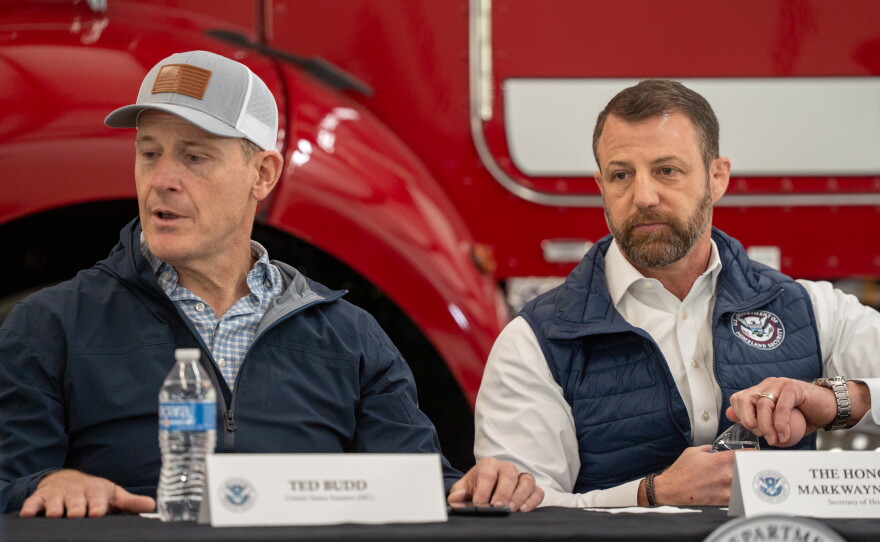
Multiple officials — from those on the front lines of emergency management to sitting Republican members of Congress — described to us how federal disaster funding since Helene became increasingly politicized. Following the 2026 midterm elections, the landscape in Congress has changed. Come January, Democrats will hold a majority in the U.S. House and Senate.
Representative-elect Jamie Ager — a farmer and businessman — was the first Democrat in 16 years elected to Congress from Western North Carolina. New legislation to secure additional recovery funding is his "number one" focus, he said.
"I feel like we can go push on that, and remind people that this community still has a long way to go to recover, and part of my job is to help deliver that funding," Ager said on election night.
In the Senate, former Gov. Roy Cooper, a Democrat, is headed to Washington, where he and Ager will have to work with the Trump administration for more recovery funding.
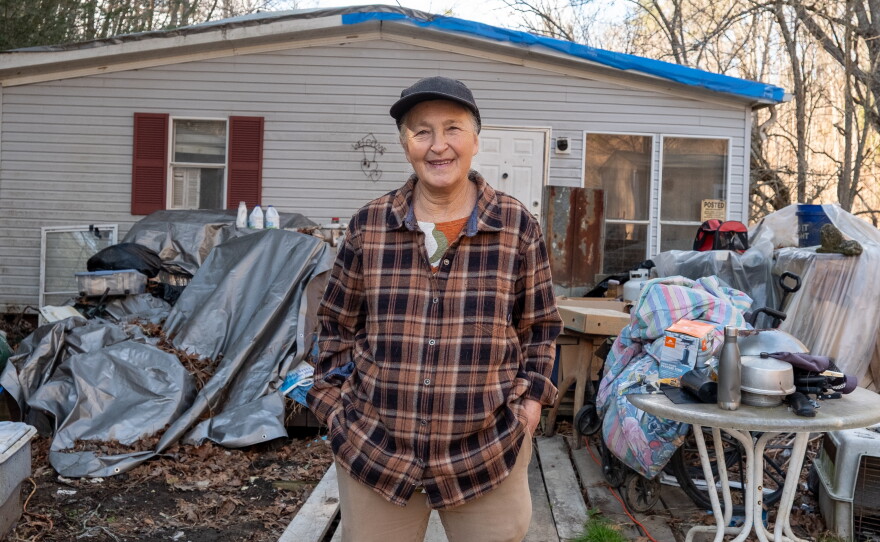
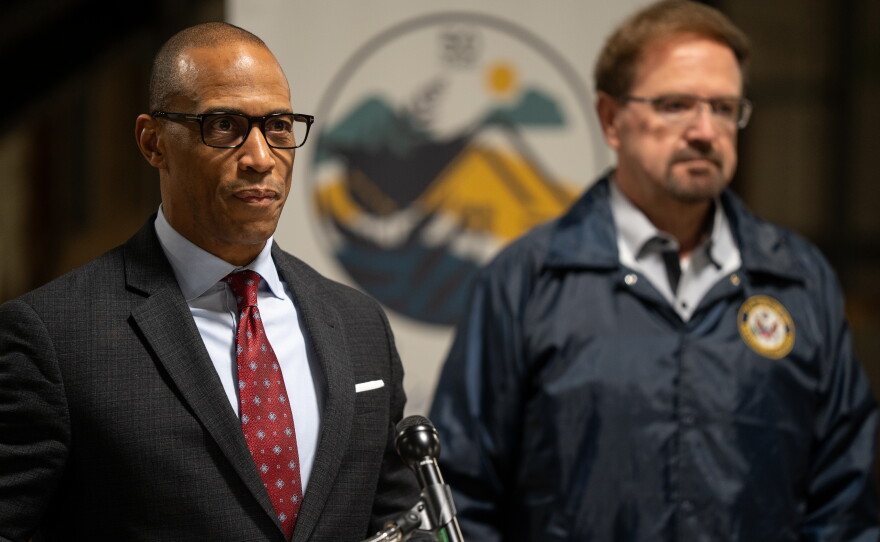


“An additional congressional appropriation is perhaps the single most important thing that can happen for North Carolina's recovery from Hurricane Helene.”Matt Calabria, director of the Governor's Recovery Office for Western North Carolina
Listen to 'A Man-Made Disaster' Free
Blue Ridge Public Radio’s Gerard Albert III spent more than a year looking for answers on why help from the federal government has remained out of reach for so many people across the region.
Listen or download all three episodes of “A Man-Made Disaster” for free here.
A “Man-Made Disaster” is a production of Blue Ridge Public Radio with support from FRONTLINE’s Local Journalism Initiative, which is funded by the John S. and James L. Knight Foundation.
The BPR news team is led by Eddie Garcia and station CEO and General Manager Ele Ellis. Original music for the podcast by Madeline Deirhauf and Jackson Grimm.
Who worked on this news series:
- Anna Douglas, lead editor/project manager
- Alicia Zuckerman, story editor
- Erin Texeira and Mia Zuckerkandel, FRONTLINE editors
- Merritt Jacob, audio engineer
- Fendall Fulton, fact-checker
- Mike Tadych, legal
- Grace Powers, social media contributor
- Chris Font, digital design
A special thanks to Aminah Jenkins, Eric Sagara of Big Local News at Stanford University, Debbra Goh, Laura Lee, and the Knight Foundation.
